When Is the Best Time to Visit the Maldives? A Month-by-Month Guide
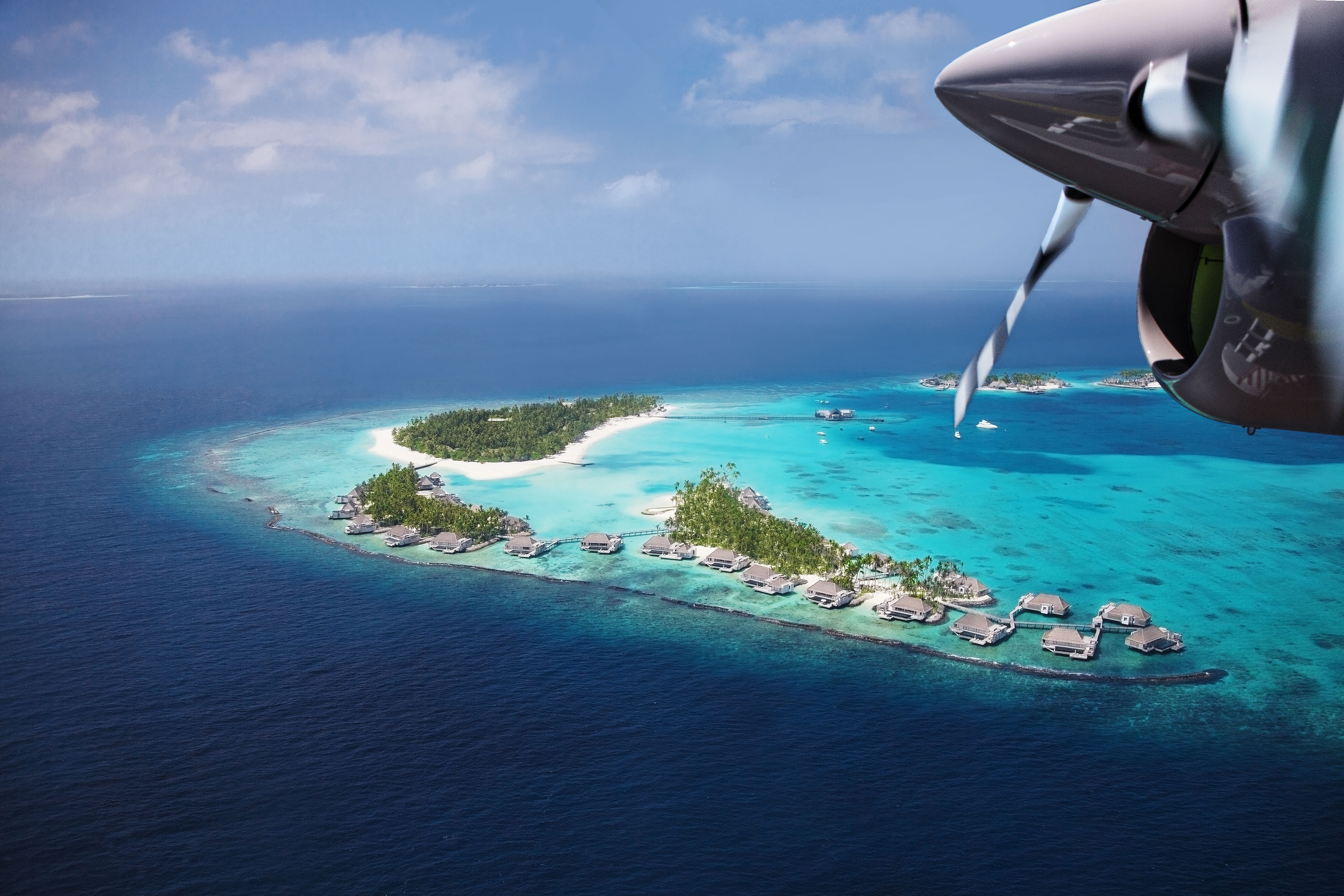
The best time depends on the Maldives holiday you want
Ask when to visit the Maldives and you will often hear “December to April”. That is useful advice—but it is not the whole story.
January to March generally brings the driest weather, calmer seas and the clearest skies. It is an excellent period for beach days, honeymoons and that classic blue-lagoon view, but it also coincides with higher demand and some of the year’s most expensive stays.
The wetter southwest monsoon brings more changeable conditions from around mid-May through November. There may be stronger winds, rougher seas and heavier showers, but there are still long spells of sunshine. This season can also offer better resort value, excellent surfing and some of the Maldives’ most exciting manta-ray encounters.
April and December sit between the two main monsoons. Either can deliver wonderful weather, but transitional months are less predictable than their reputations sometimes suggest.
The short answer is:
- Best for reliably dry weather: January to March
- Best for honeymoons and beach holidays: January to April
- Best for lower resort rates: May to November, outside major holidays
- Best for manta rays in Baa Atoll: approximately May to December, with sightings dependent on tides and plankton
- Best for whale sharks in South Ari Atoll: year-round
- Best for surfing: broadly mid-February to November
- Best all-round shoulder periods: April and late November to early December
Understanding the Maldives seasons
The Maldives has a tropical monsoon climate rather than four conventional seasons. Temperatures remain warm throughout the year, generally ranging from approximately 25°C to 32°C.
The northeast monsoon: January to March
This is the Maldives’ recognised dry season. Rainfall is generally lower, sunshine hours are higher and winds tend to be lighter. Lagoons often look especially calm and clear, making this a popular period for swimming, snorkelling and photography.
It is also peak season. Resorts can fill well in advance, particularly around New Year, February half-term and Easter when it falls early.
April: the first transition
April is typically hot, humid and often sunny, but it marks the change between monsoons. Conditions can be excellent, although showers and thunderstorms become more likely as the month progresses.
It can be a rewarding time to travel if you want good beach weather without automatically paying festive-season prices. Just do not treat it as a guaranteed extension of the dry season.
The southwest monsoon: mid-May to November
The southwest monsoon is commonly called the wet season. It brings more cloud, stronger winds and a greater chance of rain, but “wet season” does not mean continuous rain.
Showers in the Maldives are frequently intense and short-lived, with bright periods in between. Longer unsettled spells can happen, however, and sea conditions may occasionally disrupt boat journeys, watersports or seaplane operations.
Weather also varies between the northern, central and southern atolls. A forecast for Malé does not necessarily describe conditions at a resort hundreds of kilometres away.
December: the second transition
December is often marketed as part of the dry season, but meteorologically it is a transition month. Early December can remain changeable, while conditions often become drier as the northeast monsoon establishes itself.
Christmas and New Year are among the most popular—and expensive—weeks in the Maldives. Book early if festive travel is important to you.
The Maldives month by month
January
January is one of the strongest months for dependable sunshine, calm water and classic beach weather. It is ideal for honeymoons, winter-sun escapes and first-time visitors, although prices and occupancy are high.
February
February is typically among the driest months of the year. Expect excellent conditions for swimming, snorkelling and outdoor dining. It is also one of the busiest periods, especially during school holidays.
March
March remains sunny and relatively dry, with warm seas and rising temperatures. It is a good choice for couples, divers and families seeking reliable weather before the transitional period begins.
April
April is hot, humid and often beautiful. The change of monsoon can bring thunderstorms or sudden showers, particularly later in the month, but there are frequently long sunny intervals too.
May
May marks the usual arrival of the southwest monsoon. Wind and rainfall become less predictable, although resort prices often start to fall. It also signals the beginning of the feeding season for manta rays around Hanifaru Bay in Baa Atoll.
June
June offers a mixture of sunshine, cloud and tropical showers. It can be a compelling month for value-conscious travellers and marine-life enthusiasts, particularly in Baa Atoll.
July
July remains changeable, with the possibility of windier days and rougher seas. Sunny spells are still common, and the school holidays make family-focused resorts lively. Manta-ray activity can be excellent when plankton, currents and tides align.
August
August can bring mixed weather, but it is also a rewarding period for surfing and manta-focused trips. Families should compare resorts carefully because prices may rise during European summer holidays even though it is the wetter season.
September
September is usually quieter and can offer attractive resort rates. Rain and wind remain possible, but surfers and travellers willing to accept variable weather may find excellent value.
October
October can be one of the wetter months in parts of the Maldives, although conditions differ across the archipelago. It remains within the main surf and Baa Atoll manta seasons, making it more appealing for active travellers than for those seeking guaranteed blue skies.
November
November is another transitional month. Conditions may begin improving, but the timing of the monsoon change varies from year to year. It can offer a useful balance of availability, marine life and increasingly settled weather.
December
December generally becomes drier as the month progresses, although early December may still see showers. The festive period brings celebratory dining and special events alongside some of the year’s highest rates.
When should you visit for manta rays?
For the famous manta-ray gatherings at Hanifaru Bay, choose a resort in Baa Atoll and travel during the southwest monsoon, broadly from May to December.
The largest feeding events depend on plankton concentrations, lunar tides, currents and wind. They cannot be scheduled for a particular day, and even travelling in peak season does not guarantee an encounter.
Hanifaru Bay is a protected feeding area where visitors snorkel rather than scuba dive. Access is regulated, so it is worth choosing a Baa Atoll resort with an experienced marine team and well-organised excursions.
-1.jpg)
When should you visit for whale sharks?
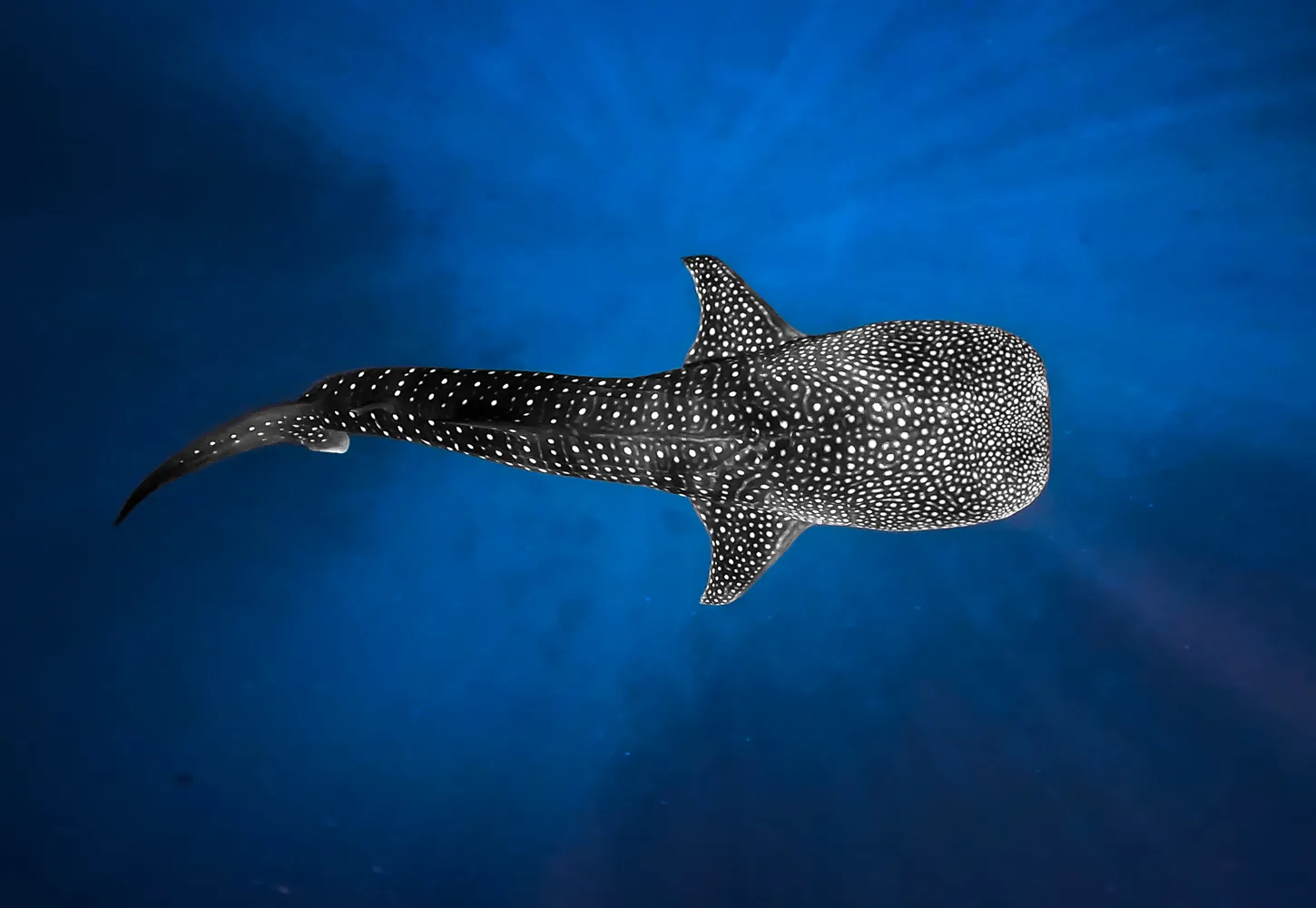
South Ari Atoll is the Maldives’ most dependable region for whale-shark encounters. Research indicates that whale sharks can be found there throughout the year, although their position around the atoll may shift with the monsoons.
No wildlife encounter is guaranteed. Choose a responsible operator that follows approach distances, limits crowding and never blocks or touches the animal.
When should you visit for diving?
The Maldives offers diving throughout the year. The best month depends on the atoll, the dive site and what you want to see.
January to April often brings calmer surface conditions and excellent visibility. The southwest monsoon can produce more plankton and reduced visibility in some locations, but that same productivity attracts manta rays and other pelagic life.
Currents are central to Maldivian diving and can be strong in any season. Less-experienced divers should select a resort or liveaboard that offers sites suited to their certification and comfort level.
When should you visit for surfing?
The Maldivian surf season generally runs from mid-February to November, with conditions varying by region and reef exposure. Visit Maldives identifies March to May and September to late November as particularly favourable periods.
Serious surfers should choose their atoll carefully. North Malé Atoll offers convenient access to several celebrated breaks, while the southern atolls have different swell patterns and seasons.
Is the wet season worth it?
Yes—if you understand the trade-off.
Travel between May and November may bring lower prices, fewer guests and extraordinary marine encounters. The islands remain warm, and rain is often interspersed with sunshine. For travellers who enjoy spas, diving, surfing, long lunches and slow days in a private villa, it can be excellent value.
It is less suitable for anyone who would be deeply disappointed by cloudy skies, choppy lagoon water or a weather-related change to an excursion. Paying less does not remove the weather risk; it simply makes that risk easier to accept.
So, when is the best time to go?
For the greatest likelihood of dry, calm beach weather, choose January to March.
For a combination of good weather and slightly more flexibility, consider April or late November to early December, while remembering that both are transitional periods.
For manta rays, surfing and potentially better resort value, travel during the southwest monsoon from May to November and select your atoll around the experience you want.
There is no universally perfect month. The best Maldives holiday begins by matching the season, atoll and resort to your priorities—not by relying on a single weather forecast.
-1.jpg)
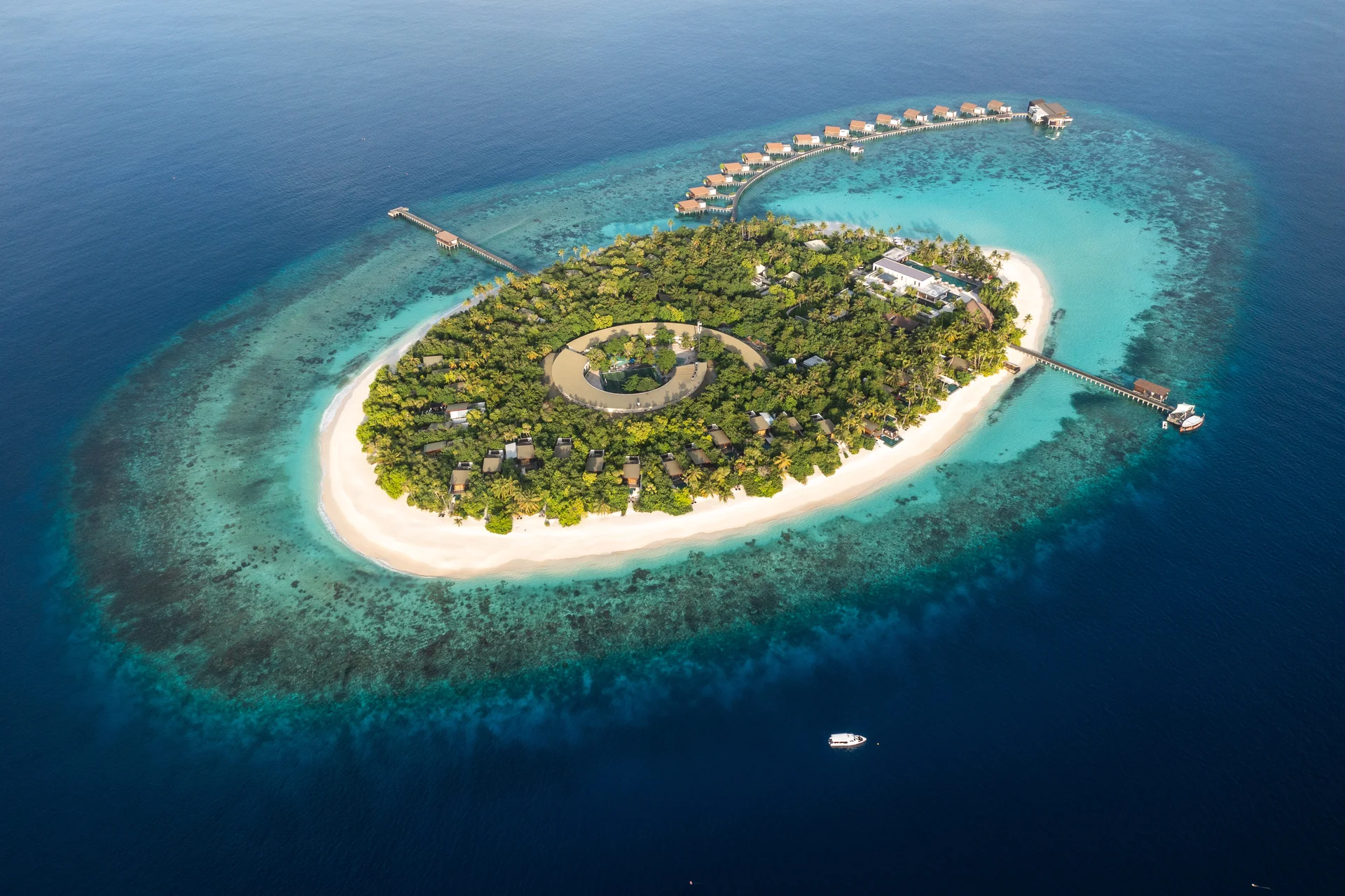
The Best House Reefs in the Maldives
Discover five of the best Maldives resorts for house-reef snorkelling, with coral gardens, turtles, reef sharks and underwater experiences accessible from the island.
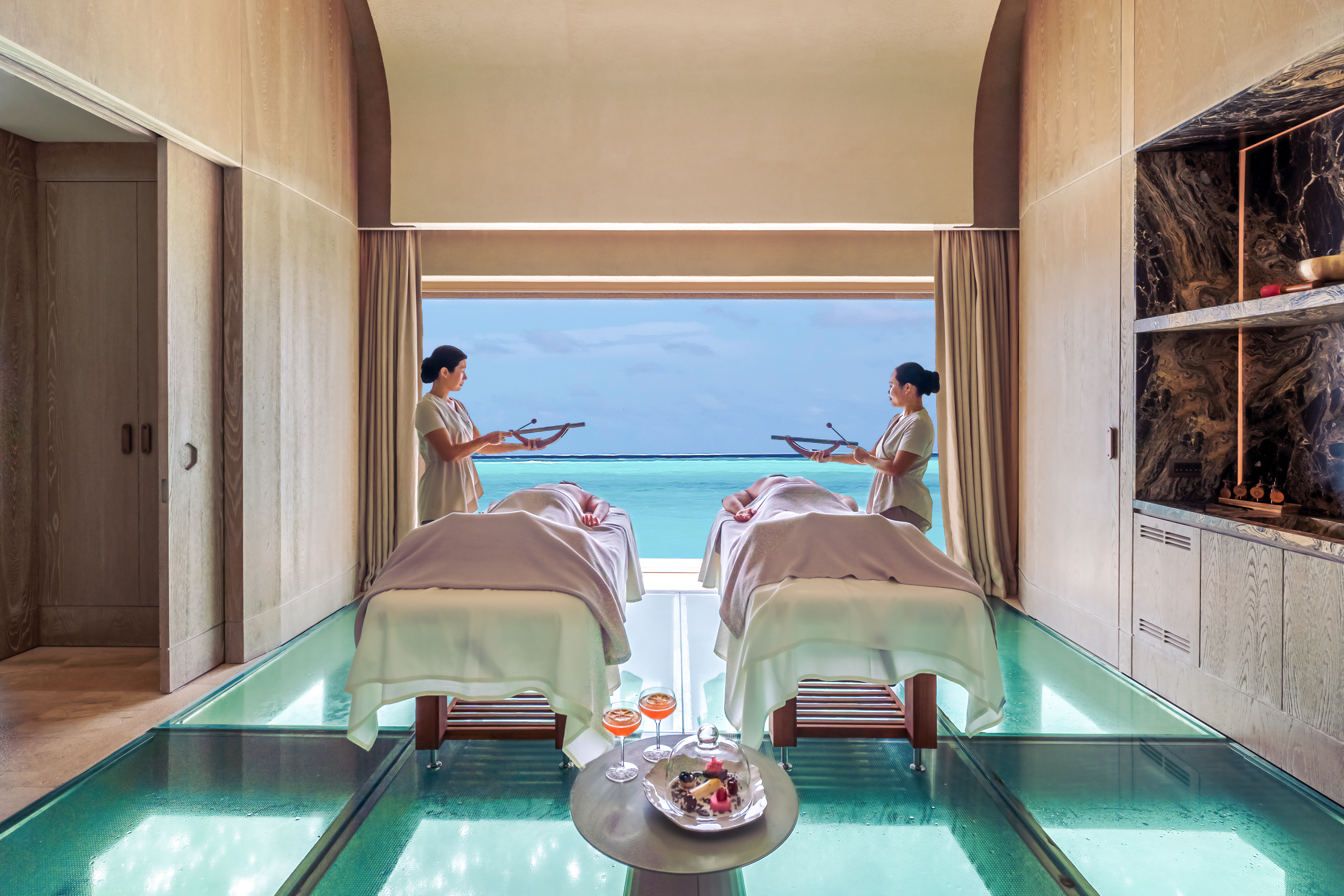
Wellness in the Maldives: Where to Actually Switch Off
From personalised wellbeing programmes to barefoot yoga and restorative spa rituals, these are the Maldives resorts that take wellness beyond the occasional massage.